Choosing the best PPO health insurance plan is an important decision for individuals and families who want flexibility, comprehensive medical coverage, and access to a wide network of healthcare providers. Preferred Provider Organization (PPO) health insurance is one of the most popular types of health plans in the United States because it allows members to visit specialists without referrals and receive care from both in-network and out-of-network providers. Although PPO plans often have higher monthly premiums than other health insurance options, they provide greater freedom when choosing doctors, hospitals, and healthcare facilities.
This guide explains everything you need to know about PPO health insurance, including how it works, its benefits, coverage options, costs, and how to choose the best PPO plan for your healthcare needs.
What is PPO Health Insurance?
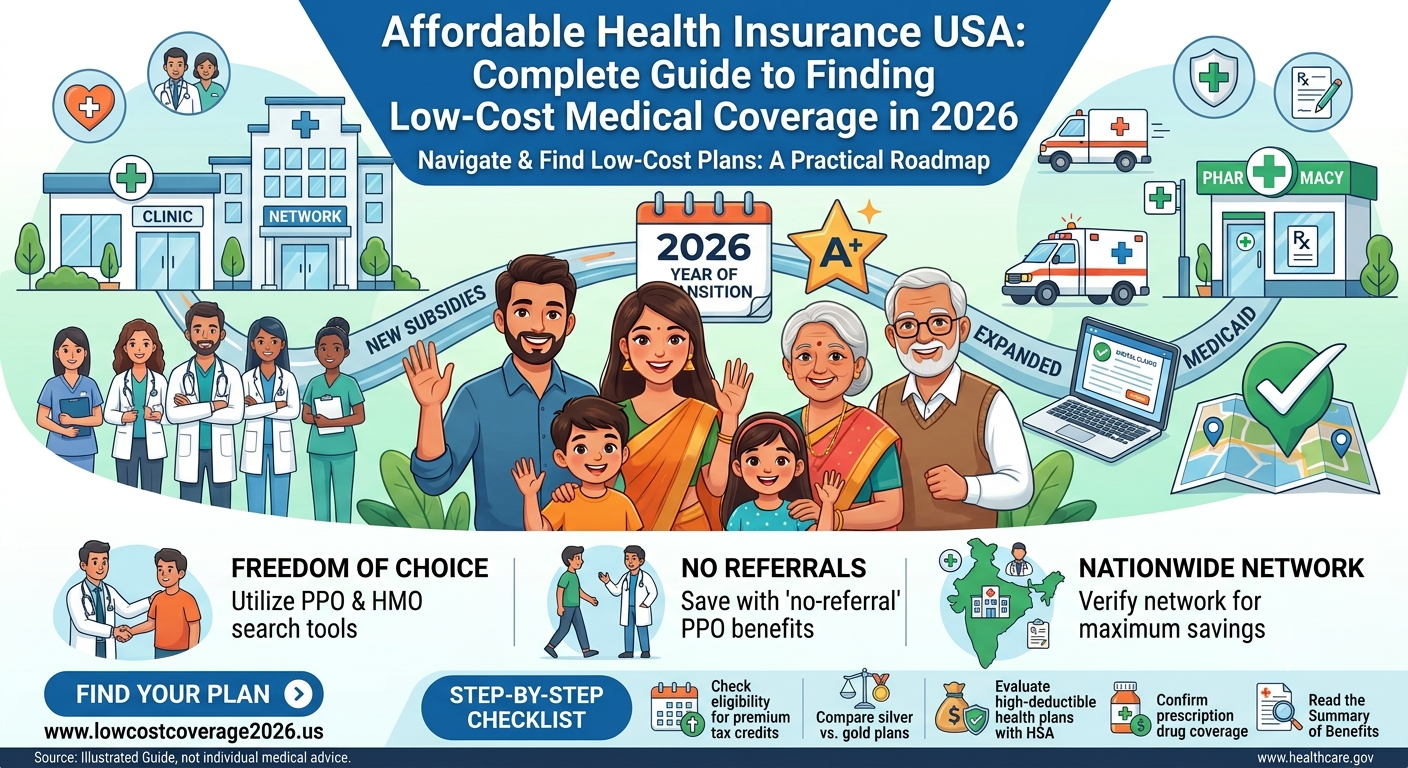
A Preferred Provider Organization (PPO) is a type of health insurance plan that contracts with a network of doctors, hospitals, clinics, specialists, and healthcare providers to offer medical services at discounted rates. Members receive the greatest savings when using in-network providers but still have the flexibility to receive care outside the network if necessary.






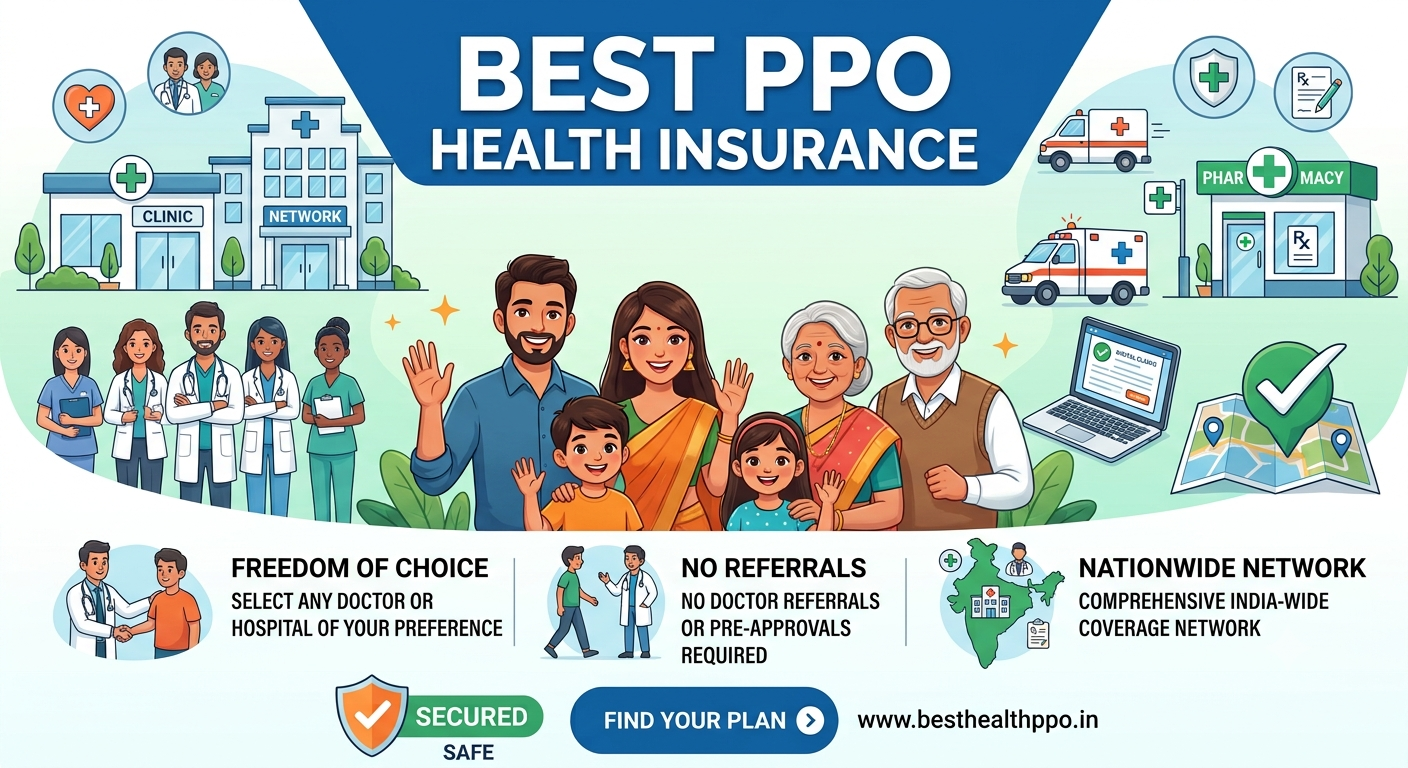
Unlike Health Maintenance Organization (HMO) plans, PPO insurance does not usually require members to select a primary care physician or obtain referrals before seeing specialists.
How PPO Health Insurance Works
When you enroll in a PPO health insurance plan, you receive access to a network of healthcare providers that have negotiated discounted rates with the insurance company. If you visit an in-network doctor or hospital, you pay lower out-of-pocket costs. If you choose an out-of-network provider, the insurance company still contributes toward eligible medical expenses, but you generally pay a larger share of the bill.
This flexibility makes PPO plans attractive for individuals who travel frequently, require specialist care, or prefer choosing their own healthcare providers.
Benefits of PPO Health Insurance
PPO health insurance offers several important advantages that make it one of the most popular health insurance options in the United States.
Freedom to Choose Doctors
Members can visit almost any licensed physician or specialist without needing a referral.
Large Provider Networks
Most PPO insurance companies maintain extensive networks of hospitals, physicians, specialists, laboratories, and medical facilities across the country.
Out-of-Network Coverage
Unlike many other insurance plans, PPO policies typically provide partial coverage even when members receive treatment from providers outside the preferred network.
Specialist Access
Patients can schedule appointments with specialists directly, reducing delays in receiving specialized medical care.
Nationwide Coverage
Many PPO plans offer broad nationwide provider networks, making them ideal for people who travel frequently or live in multiple states throughout the year.
What Does PPO Health Insurance Cover?
Most comprehensive PPO health insurance plans include coverage for a wide range of healthcare services.
Common covered services include:
- Primary care physician visits
- Specialist consultations
- Preventive healthcare
- Annual wellness exams
- Vaccinations
- Emergency room treatment
- Hospitalization
- Surgical procedures
- Intensive care services
- Diagnostic testing
- Laboratory services
- MRI and CT scans
- Prescription medications
- Physical therapy
- Mental health counseling
- Maternity care
- Pediatric services
- Rehabilitation therapy
- Ambulance transportation
- Telehealth consultations
Coverage varies depending on the insurance company and selected policy.
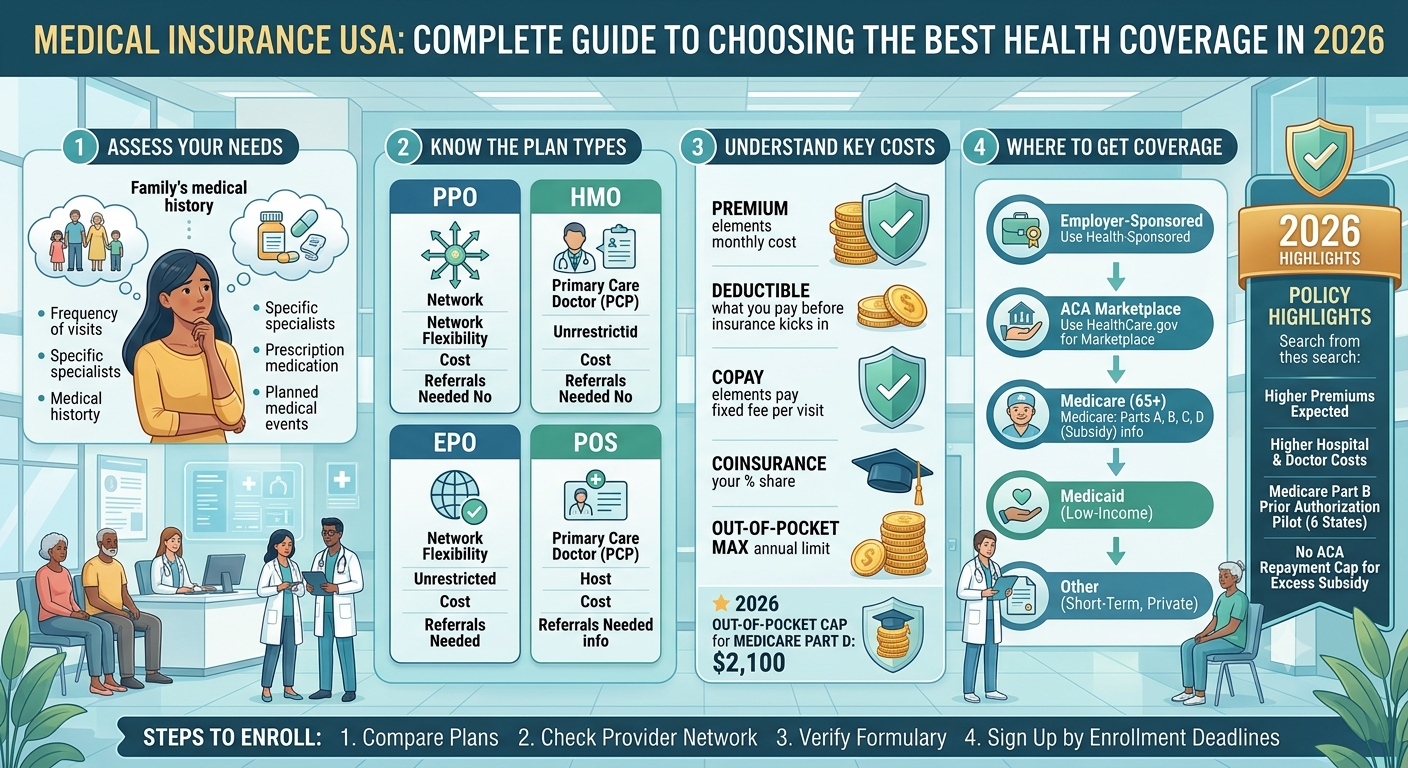
Understanding PPO Health Insurance Costs
Monthly Premium
The premium is the amount paid each month to maintain active insurance coverage. PPO plans generally have higher premiums than HMO plans because they offer greater flexibility.
Deductible
A deductible is the amount you pay before your insurance company begins sharing healthcare costs.
Copayment
A copayment is a fixed fee for healthcare services such as doctor visits or prescription medications.
Coinsurance
Coinsurance is the percentage of medical expenses you pay after meeting your deductible. The insurance company pays the remaining eligible costs.
Out-of-Pocket Maximum
This is the highest amount you pay during the policy year for covered medical services. After reaching this limit, the insurance company pays 100% of covered healthcare expenses.
PPO vs HMO Health Insurance
PPO Advantages
- No specialist referrals required
- Larger provider networks
- Out-of-network coverage available
- Greater flexibility in choosing doctors
- Better for frequent travelers
HMO Advantages
- Lower monthly premiums
- Lower deductibles
- Lower out-of-pocket costs
- Coordinated care through a primary physician
Individuals who value flexibility often choose PPO plans, while those seeking lower monthly costs may prefer HMO plans.
Who Should Choose a PPO Health Insurance Plan?
PPO health insurance is an excellent choice for:
- Individuals who frequently visit specialists
- Families wanting flexible healthcare options
- Business professionals who travel often
- Patients with chronic medical conditions
- Individuals who prefer choosing their own doctors
- People living in multiple states during the year
- Anyone seeking access to a large healthcare network
Best PPO Health Insurance Companies in the USA
Several insurance companies are recognized for offering excellent PPO health insurance plans.
UnitedHealthcare
UnitedHealthcare offers one of the largest PPO provider networks in the United States with comprehensive coverage and extensive digital healthcare tools.
Blue Cross Blue Shield
Blue Cross Blue Shield provides nationwide PPO coverage through independent member companies, offering broad access to hospitals and healthcare providers.
Aetna
Aetna offers flexible PPO plans with comprehensive medical coverage, wellness programs, telehealth services, and access to a large provider network.
Cigna
Cigna provides PPO plans featuring preventive care, prescription drug coverage, behavioral health services, and international healthcare options.
Humana
Humana offers affordable PPO options for individuals, families, and Medicare beneficiaries with strong customer support and wellness benefits.
Anthem
Anthem provides PPO plans in multiple states with broad healthcare networks, preventive care coverage, and digital health management tools.
How to Choose the Best PPO Health Insurance
When comparing PPO plans, consider your healthcare needs, preferred doctors, and budget. Compare monthly premiums, deductibles, copayments, coinsurance, prescription drug benefits, annual out-of-pocket limits, and provider networks. Verify that your preferred hospitals and physicians participate in the insurance network. Review customer satisfaction ratings, claims processing efficiency, and additional wellness benefits before making your final decision.
Tips for Saving Money with a PPO Plan
Using in-network healthcare providers significantly reduces medical costs. Schedule preventive care appointments because many are covered without additional charges. Compare prescription drug prices through your insurer’s preferred pharmacy network. Review your healthcare usage annually to ensure your PPO plan remains the most cost-effective option for your medical needs.
Common Mistakes When Buying PPO Health Insurance
Many people choose a PPO plan without comparing total annual healthcare costs. Others focus only on monthly premiums while ignoring deductibles, coinsurance, and prescription coverage. Some fail to confirm whether their preferred doctors participate in the network. Reading the complete policy details before enrollment helps avoid unexpected medical expenses.
Frequently Asked Questions
Is PPO better than HMO?
A PPO plan is generally better for individuals who value flexibility, want access to specialists without referrals, and prefer the option to receive care outside the provider network. HMO plans may be more suitable for those seeking lower monthly premiums.
Can I see any doctor with PPO insurance?
Yes. PPO members can usually visit both in-network and out-of-network healthcare providers. However, using in-network providers typically results in lower healthcare costs.
Are PPO plans more expensive?
PPO plans generally have higher monthly premiums than HMO plans because they offer greater provider flexibility and out-of-network coverage.
Does PPO insurance cover emergency care?
Yes. Most PPO health insurance plans cover emergency medical treatment, ambulance services, hospitalization, and emergency surgeries according to policy terms.
Is PPO health insurance good for families?
Yes. PPO plans are an excellent option for families who want flexible access to pediatricians, specialists, hospitals, and healthcare providers without requiring referrals.
Conclusion
PPO health insurance remains one of the best choices for individuals and families seeking comprehensive medical coverage with maximum flexibility. These plans provide access to extensive healthcare networks, specialist care without referrals, out-of-network coverage, and nationwide medical services. Although PPO plans usually cost more than HMO plans, their flexibility and convenience make them a valuable investment for many policyholders. Before selecting a PPO plan, carefully compare premiums, deductibles, provider networks, prescription drug benefits, and overall coverage to ensure you choose the best health insurance plan for your healthcare needs and financial goals.
Related posts:
 Best Hospitals in the USA 2025: A Complete Guide to America’s Top Medical Institutions
 Best Organ Transplant Hospitals in the USA (2025): Where Life Gets a Second Chance
 Best Hospital in Germany
 Health Insurance for Hospital Bills: A Complete Guide
 Fertility Hospital Near Me: Complete Guide to Choosing the Best IVF & Fertility Clinics
 Best Private Hospital in Los Angeles: A Complete Guide
 Cardiac Bypass Surgery in International Hospitals: Cost, Best Countries, and Patient Guide
 Best Hospital in Malaysia: Top International Healthcare Guide
 Top Fertility Clinics in America: Leading Centers for Advanced Reproductive Care
 Best IVF Hospital in USA: Leading Centers for Advanced Fertility Treatment