Affordable health insurance in the United States helps individuals and families receive quality medical care without facing overwhelming healthcare expenses. With medical costs continuing to rise, having the right health insurance policy is essential for protecting your finances and ensuring access to doctors, hospitals, emergency care, and prescription medications. Whether you are self-employed, unemployed, a student, or working full-time, finding an affordable health insurance plan can significantly reduce your medical expenses while providing comprehensive healthcare coverage.
What is Affordable Health Insurance?
Affordable health insurance refers to medical insurance plans that provide essential healthcare coverage at a reasonable monthly premium. These plans help pay for doctor visits, hospitalization, emergency treatment, surgeries, preventive care, prescription drugs, laboratory tests, and other medical services while keeping out-of-pocket expenses manageable. Many affordable plans are available through employers, private insurance companies, government marketplaces, and public healthcare programs.
Why Affordable Health Insurance is Important
Healthcare in the United States is among the most expensive in the world. A routine hospital stay, emergency surgery, or specialized treatment can cost thousands of dollars. Affordable health insurance protects individuals from these high costs by sharing medical expenses with the insurance provider. It also encourages preventive care, helping people detect health conditions early before they become more serious and expensive to treat.






Benefits of Affordable Health Insurance
Affordable health insurance offers financial protection against unexpected medical bills while providing access to quality healthcare providers. Most plans cover preventive care, annual wellness exams, vaccinations, specialist consultations, emergency room visits, hospitalization, maternity care, mental health services, and prescription medications. Many insurers also offer telehealth services, wellness programs, and disease management support.
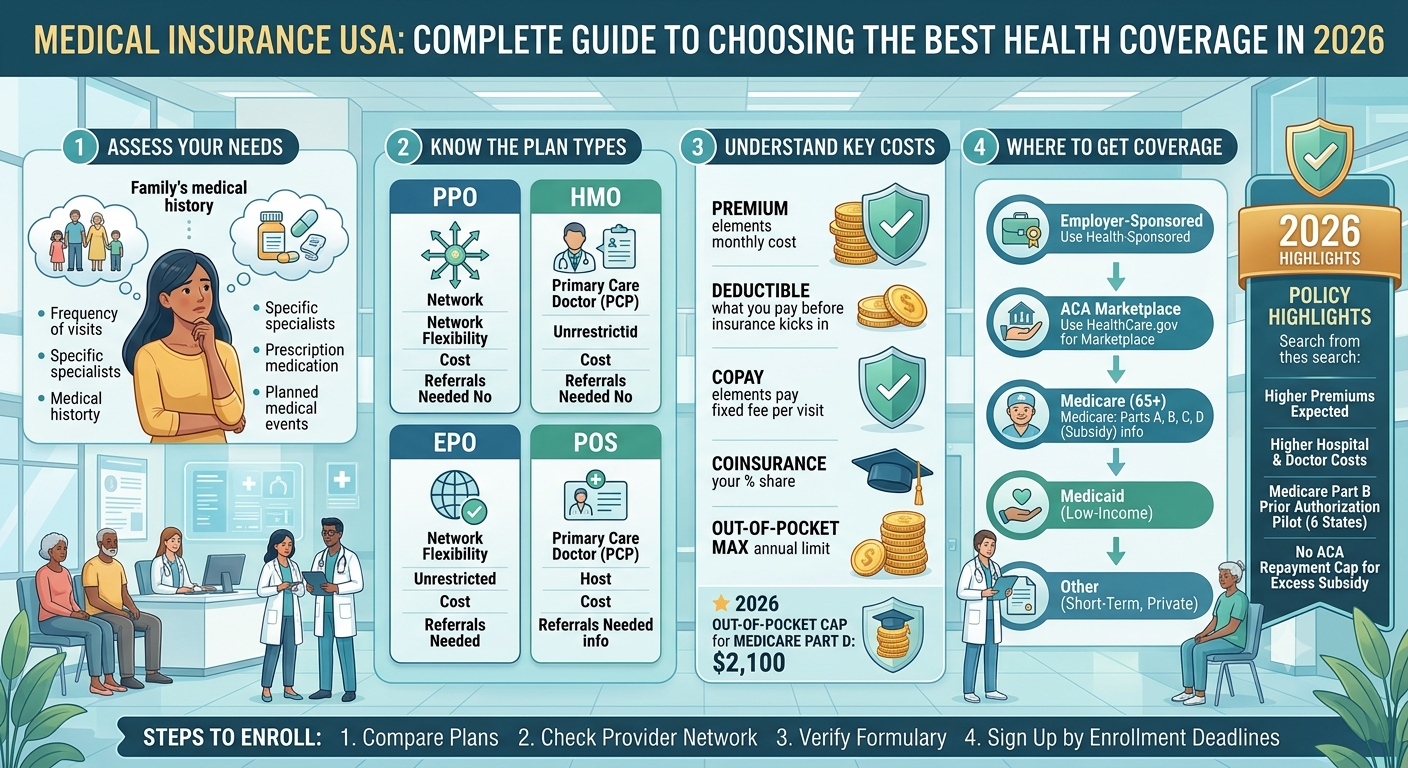
Types of Affordable Health Insurance Plans
Health Maintenance Organization (HMO)
HMO plans typically offer lower monthly premiums and require members to receive care from doctors and hospitals within a specific provider network. A primary care physician coordinates most healthcare services and referrals to specialists.
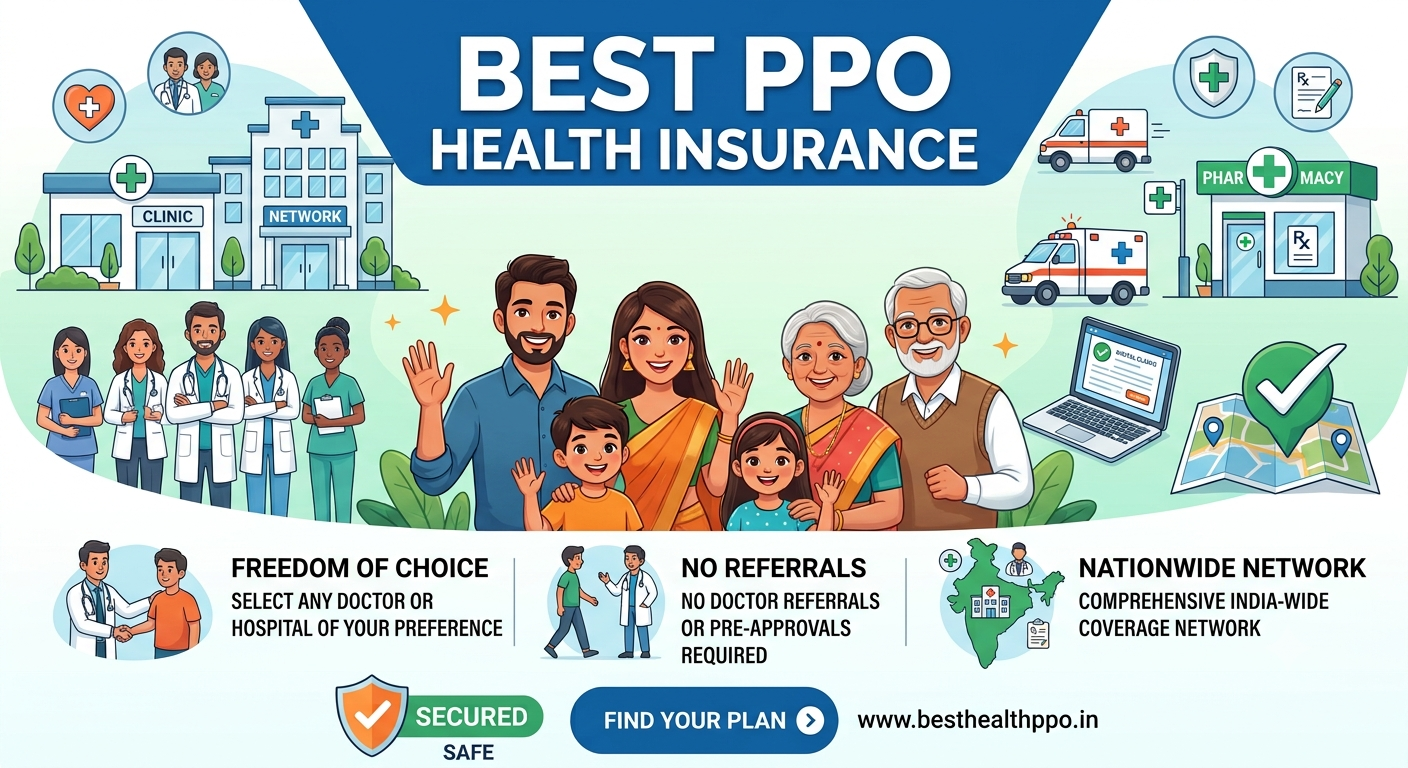
Preferred Provider Organization (PPO)
PPO plans provide greater flexibility by allowing members to visit both in-network and out-of-network healthcare providers. Although premiums are generally higher than HMO plans, members have more freedom when selecting doctors and specialists.
Exclusive Provider Organization (EPO)
EPO plans require members to use network providers but usually do not require referrals for specialist visits. These plans often balance affordability with flexibility.
Point of Service (POS)
POS plans combine features of HMOs and PPOs. Members choose a primary care physician while maintaining limited access to out-of-network providers at higher costs.
High Deductible Health Plan (HDHP)
HDHPs feature lower monthly premiums but higher deductibles. These plans are commonly paired with Health Savings Accounts (HSAs), allowing individuals to save tax-free money for qualified healthcare expenses.
What Does Affordable Health Insurance Cover?
Most comprehensive affordable health insurance plans include primary care visits, specialist consultations, preventive healthcare services, annual physical exams, vaccinations, emergency room treatment, hospitalization, surgeries, laboratory testing, diagnostic imaging, maternity care, pediatric care, mental health treatment, rehabilitation services, prescription medications, ambulance transportation, and chronic disease management. Coverage varies depending on the insurance provider and selected plan.
Understanding Health Insurance Costs
Monthly Premium
The premium is the amount paid each month to maintain health insurance coverage regardless of whether medical services are used.
Deductible
A deductible is the amount the insured person must pay before the insurance company begins covering eligible healthcare expenses.
Copayment
A copayment is a fixed fee paid for certain healthcare services, such as doctor appointments or prescription medications.
Coinsurance
Coinsurance represents the percentage of healthcare costs shared between the insured individual and the insurance company after the deductible has been met.
Out-of-Pocket Maximum
The out-of-pocket maximum is the highest amount a policyholder pays during a policy year for covered healthcare services. Once this limit is reached, the insurer pays 100% of eligible medical expenses.
How to Find Affordable Health Insurance
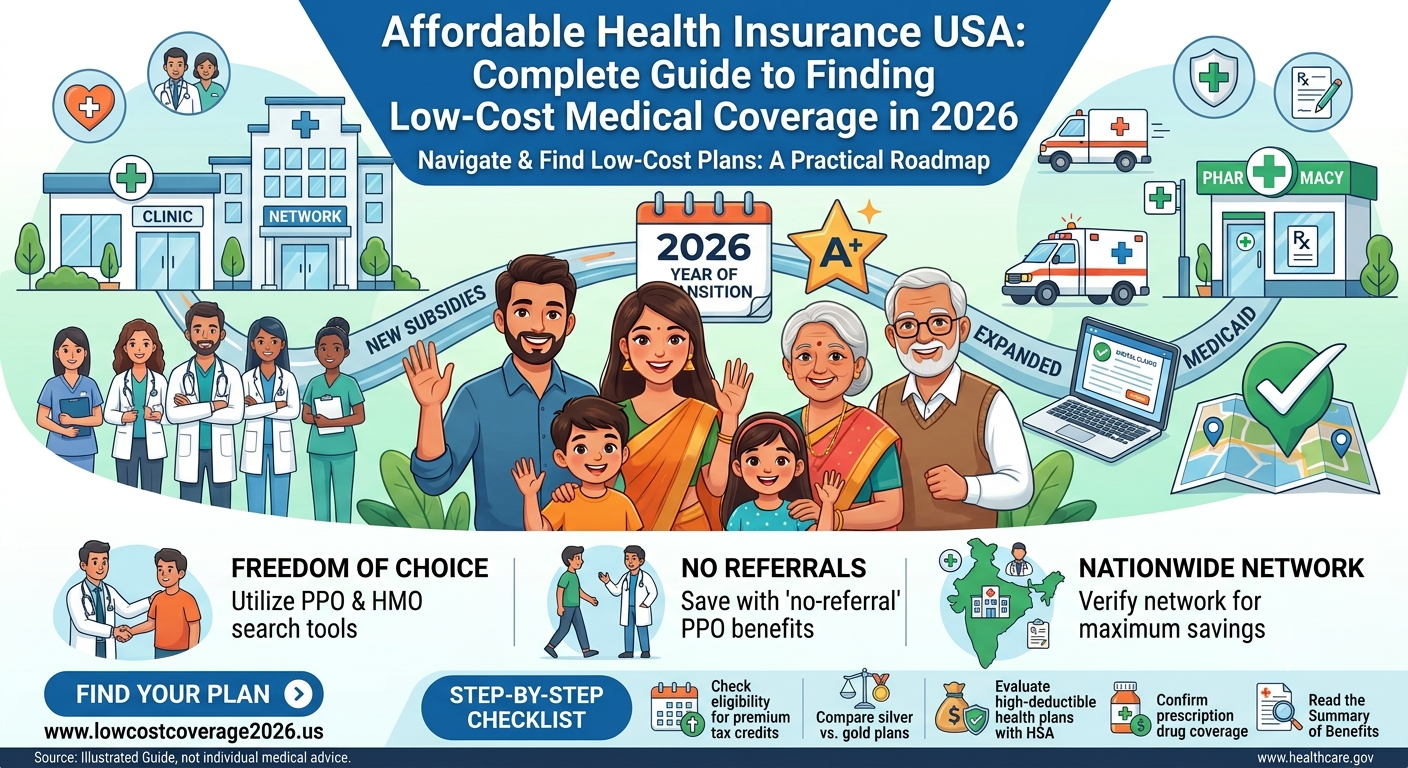
Begin by evaluating your healthcare needs, including doctor visits, prescription medications, and any chronic medical conditions. Compare plans from multiple insurance companies based on premiums, deductibles, provider networks, prescription drug coverage, and annual out-of-pocket costs. Review the list of participating hospitals and physicians to ensure your preferred healthcare providers are included. Always read policy exclusions and understand what services are not covered before enrolling.
Best Affordable Health Insurance Companies in the USA
Several insurance providers are recognized for offering affordable and comprehensive medical coverage. UnitedHealthcare offers a wide variety of plans with extensive provider networks. Blue Cross Blue Shield provides nationwide coverage and flexible policy options. Kaiser Permanente combines insurance with integrated healthcare services in many states. Aetna offers affordable individual and employer-sponsored plans with broad provider access. Cigna is known for comprehensive benefits and wellness programs. Humana specializes in Medicare Advantage plans while also offering individual health insurance. Oscar Health focuses on technology-driven healthcare with virtual doctor visits and personalized digital support.
Tips to Save Money on Health Insurance
Compare multiple insurance plans before making a decision. Choose in-network hospitals and healthcare providers to reduce medical costs. Take advantage of preventive care services that are often covered without additional charges. Consider a Health Savings Account if you select a high deductible health plan. Review your policy every year to ensure it continues to meet your healthcare needs while remaining affordable.
Common Mistakes to Avoid
Many individuals select plans based solely on the lowest monthly premium without considering deductibles or coverage limitations. Others fail to verify whether their preferred doctors and hospitals participate in the provider network. Ignoring prescription drug coverage, policy exclusions, waiting periods, and out-of-pocket maximums can lead to unexpected healthcare expenses. Carefully reviewing all policy details before enrollment helps prevent costly surprises.
Frequently Asked Questions
What is the cheapest health insurance in the USA?
The most affordable health insurance depends on your state, age, income, household size, and eligibility for government assistance. Marketplace plans and employer-sponsored insurance often provide cost-effective options.
Does affordable health insurance cover hospitalization?
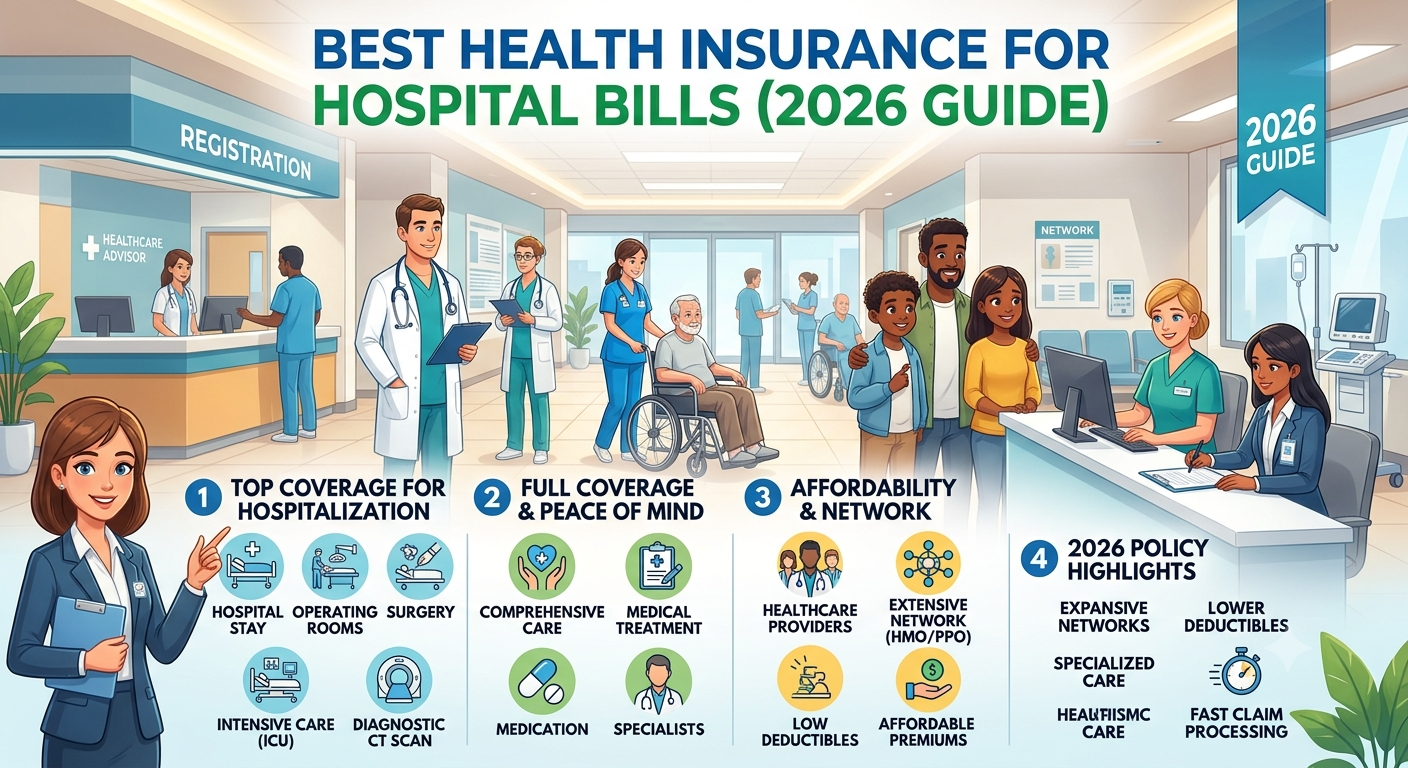
Yes. Most comprehensive affordable health insurance plans cover hospitalization, surgeries, emergency treatment, intensive care, physician services, and related medical expenses according to the policy terms.
Can I buy health insurance without an employer?
Yes. Individuals can purchase health insurance directly from private insurance companies or through the Health Insurance Marketplace if eligible.
Does affordable health insurance include prescription drug coverage?
Many affordable health insurance plans include prescription drug benefits, although covered medications and copayment amounts vary by insurer and plan.
How can I lower my health insurance premium?
Choosing a higher deductible plan, maintaining a healthy lifestyle, using in-network healthcare providers, and comparing multiple insurance options can help reduce monthly premiums.
Conclusion
Affordable health insurance in the USA provides essential financial protection against rising medical costs while ensuring access to quality healthcare services. A well-designed insurance plan covers doctor visits, hospitalization, emergency care, surgeries, preventive services, prescription medications, and many other healthcare needs at a manageable cost. Before selecting a policy, compare premiums, deductibles, provider networks, coverage limits, prescription benefits, and customer satisfaction. Investing in affordable health insurance today can protect your health, reduce financial stress, and provide peace of mind for you and your family in the future.
Related posts:
 Best Hospitals in the USA 2025: A Complete Guide to America’s Top Medical Institutions
 Best Organ Transplant Hospitals in the USA (2025): Where Life Gets a Second Chance
 Best Hospital in Germany
 Health Insurance for Hospital Bills: A Complete Guide
 Fertility Hospital Near Me: Complete Guide to Choosing the Best IVF & Fertility Clinics
 Best Private Hospital in Los Angeles: A Complete Guide
 Cardiac Bypass Surgery in International Hospitals: Cost, Best Countries, and Patient Guide
 Best Hospital in Malaysia: Top International Healthcare Guide
 Top Fertility Clinics in America: Leading Centers for Advanced Reproductive Care
 Best IVF Hospital in USA: Leading Centers for Advanced Fertility Treatment