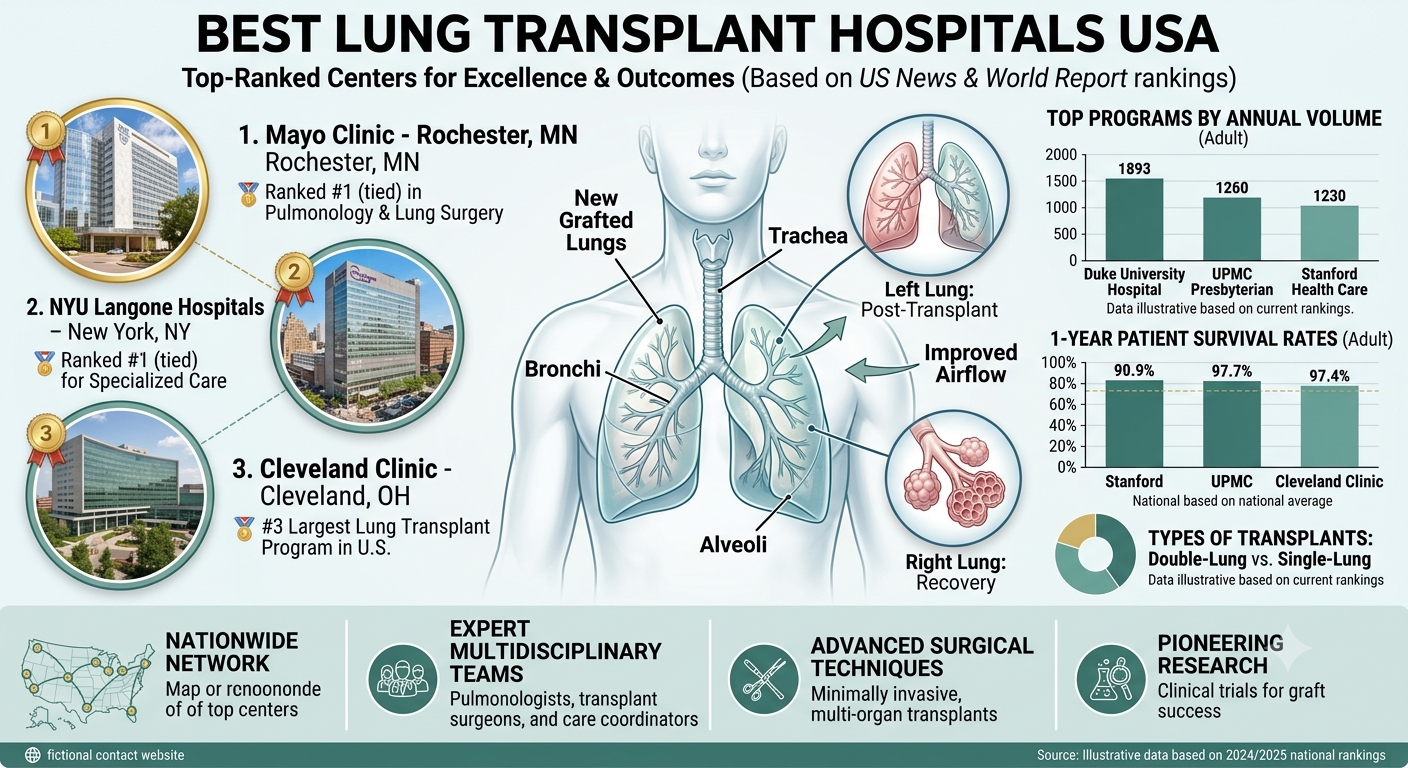
A lung transplant is one of the most advanced surgical procedures available for patients with severe or end-stage lung disease. When medications, oxygen therapy, and other treatments no longer improve lung function, a lung transplant may offer a new chance at life. The United States is home to some of the world’s leading lung transplant hospitals, equipped with experienced transplant surgeons, advanced intensive care units, multidisciplinary medical teams, and excellent long-term patient outcomes. Choosing the right lung transplant hospital is one of the most important decisions for patients and their families because success depends on surgical expertise, post-transplant care, and comprehensive rehabilitation programs.
What is a Lung Transplant?
A lung transplant is a surgical procedure in which one or both diseased lungs are replaced with healthy donor lungs. The surgery is typically recommended for patients whose lungs have been permanently damaged by advanced disease and who have not responded to other medical treatments. Depending on the patient’s condition, doctors may perform a single-lung transplant, double-lung transplant, or a combined heart-lung transplant.
Who Needs a Lung Transplant?
Lung transplantation is generally considered for patients with severe lung diseases that significantly limit daily activities and reduce life expectancy. Common conditions include chronic obstructive pulmonary disease (COPD), idiopathic pulmonary fibrosis, cystic fibrosis, pulmonary hypertension, severe bronchiectasis, alpha-1 antitrypsin deficiency, sarcoidosis, and advanced interstitial lung disease. Patients undergo extensive medical evaluations before being placed on the transplant waiting list.




Top Lung Transplant Hospitals in the USA
Mayo Clinic
Mayo Clinic is internationally recognized for its highly successful lung transplant program. The hospital offers advanced transplant surgery, personalized treatment plans, innovative research, and comprehensive rehabilitation services. Its multidisciplinary team includes transplant surgeons, pulmonologists, cardiologists, infectious disease specialists, nutritionists, psychologists, and rehabilitation experts who work together throughout the patient’s treatment journey.
Cleveland Clinic
Cleveland Clinic has one of the largest and most experienced lung transplant programs in the United States. The center specializes in complex transplant procedures, including double-lung and heart-lung transplants. Patients benefit from state-of-the-art operating rooms, advanced intensive care, and long-term follow-up care designed to improve survival and quality of life.
UCLA Health
UCLA Health is known for performing a high volume of successful lung transplants each year. The hospital provides comprehensive evaluations, minimally invasive surgical techniques when appropriate, advanced donor lung preservation technology, and individualized post-transplant care to optimize recovery.
NewYork-Presbyterian Hospital
NewYork-Presbyterian offers comprehensive lung transplant services through a team of nationally recognized transplant specialists. The hospital provides advanced diagnostic testing, transplant surgery, intensive postoperative monitoring, pulmonary rehabilitation, and lifelong follow-up care.
Stanford Health Care
Stanford Health Care has been a pioneer in lung transplantation and continues to lead research in transplant medicine. The center provides advanced surgical techniques, access to clinical trials, personalized immunosuppressive therapy, and multidisciplinary patient support throughout recovery.
Duke University Hospital
Duke University Hospital has one of the nation’s oldest and most respected lung transplant programs. The hospital performs a large number of lung transplants annually and specializes in treating patients with advanced pulmonary diseases requiring complex surgical care.
University of Pittsburgh Medical Center (UPMC)
UPMC is internationally recognized for innovation in organ transplantation. Its lung transplant program provides comprehensive pre-transplant evaluation, highly experienced transplant surgeons, advanced donor lung technology, and extensive rehabilitation services that support long-term success.
Diseases Treated with Lung Transplantation
Lung transplant specialists treat a wide variety of advanced respiratory conditions, including chronic obstructive pulmonary disease, pulmonary fibrosis, cystic fibrosis, pulmonary arterial hypertension, emphysema, bronchiectasis, interstitial lung disease, severe asthma complications, alpha-1 antitrypsin deficiency, and end-stage lung failure caused by other chronic diseases.
Lung Transplant Evaluation Process
Before surgery, patients undergo a detailed medical evaluation to determine transplant eligibility. This process includes pulmonary function testing, chest imaging, blood tests, heart evaluation, infectious disease screening, psychological assessment, nutritional evaluation, and consultations with transplant specialists. Doctors also evaluate the patient’s ability to follow lifelong treatment and medication requirements after transplantation.
Lung Transplant Surgery
During the procedure, surgeons remove the diseased lung or lungs and replace them with healthy donor lungs. The surgery may take several hours depending on the complexity of the case. Patients are closely monitored in the intensive care unit immediately after surgery before beginning rehabilitation and recovery.
Recovery After Lung Transplant
Recovery varies among patients but generally includes intensive monitoring, respiratory therapy, pulmonary rehabilitation, nutritional counseling, and regular follow-up visits. Patients must take immunosuppressive medications for life to reduce the risk of organ rejection. Most individuals gradually return to normal daily activities over several months with continued medical supervision.
Benefits of Choosing a High-Volume Lung Transplant Center
Hospitals performing a large number of lung transplants often have experienced surgical teams, specialized intensive care units, comprehensive rehabilitation programs, advanced diagnostic technology, multidisciplinary treatment approaches, and strong long-term survival outcomes. These centers also participate in clinical research, giving eligible patients access to innovative therapies and improved treatment options.
Factors to Consider When Choosing a Lung Transplant Hospital
Patients should evaluate the hospital’s transplant experience, annual procedure volume, survival rates, multidisciplinary medical team, intensive care facilities, rehabilitation services, waiting list management, patient support programs, insurance acceptance, geographic accessibility, and long-term follow-up care. Reviewing these factors helps patients select a transplant center that matches their medical needs.
Risks of Lung Transplant Surgery
Although lung transplantation can significantly improve quality of life, it carries potential risks such as infection, bleeding, blood clots, organ rejection, complications from immunosuppressive medications, kidney problems, and respiratory complications. Careful follow-up and lifelong medical management help reduce these risks.
Cost of Lung Transplant in the USA
The total cost of a lung transplant in the United States can exceed several hundred thousand dollars and includes pre-transplant evaluation, surgery, hospitalization, intensive care, medications, rehabilitation, and ongoing follow-up care. Many private health insurance plans, Medicare, and Medicaid may cover a significant portion of eligible transplant-related expenses, depending on the patient’s policy and eligibility.
Frequently Asked Questions
Who is eligible for a lung transplant?
Eligibility depends on factors such as the severity of lung disease, overall health, absence of serious uncontrolled infections, and the ability to comply with lifelong medical treatment after transplantation.
How long does lung transplant surgery take?
The procedure generally takes between six and twelve hours, depending on whether a single-lung or double-lung transplant is performed and the complexity of the surgery.
What is the recovery time after a lung transplant?
Most patients remain hospitalized for several weeks and continue rehabilitation for several months. Recovery speed varies according to individual health, surgical complexity, and adherence to rehabilitation programs.
Does health insurance cover lung transplantation?
Many private insurance plans, Medicare, and Medicaid provide coverage for medically necessary lung transplants, although coverage details vary by insurance provider and policy.
Can patients live a normal life after a lung transplant?
Many lung transplant recipients experience significant improvements in breathing, physical activity, and overall quality of life. Long-term success depends on regular medical follow-up, medication adherence, and maintaining a healthy lifestyle.
Conclusion
The United States offers some of the world’s best lung transplant hospitals, providing advanced surgical expertise, comprehensive patient care, and excellent long-term outcomes. Leading transplant centers such as Mayo Clinic, Cleveland Clinic, UCLA Health, NewYork-Presbyterian Hospital, Stanford Health Care, Duke University Hospital, and UPMC combine experienced transplant surgeons with multidisciplinary medical teams and cutting-edge technology to deliver exceptional care. Selecting the right lung transplant hospital involves carefully comparing transplant experience, survival outcomes, rehabilitation services, and long-term patient support. With proper evaluation, expert surgical care, and lifelong follow-up, lung transplantation can offer patients with advanced lung disease a renewed opportunity for a healthier and more active life.
Related posts:
 Best Hospitals in the USA 2025: A Complete Guide to America’s Top Medical Institutions
 Best Organ Transplant Hospitals in the USA (2025): Where Life Gets a Second Chance
 Best Hospital in Germany
 Health Insurance for Hospital Bills: A Complete Guide
 Fertility Hospital Near Me: Complete Guide to Choosing the Best IVF & Fertility Clinics
 Best Private Hospital in Los Angeles: A Complete Guide
 Cardiac Bypass Surgery in International Hospitals: Cost, Best Countries, and Patient Guide
 Best Hospital in Malaysia: Top International Healthcare Guide
 Top Fertility Clinics in America: Leading Centers for Advanced Reproductive Care
 Best IVF Hospital in USA: Leading Centers for Advanced Fertility Treatment